
How Modern Dental Technology Is Changing Everyday Dental Care

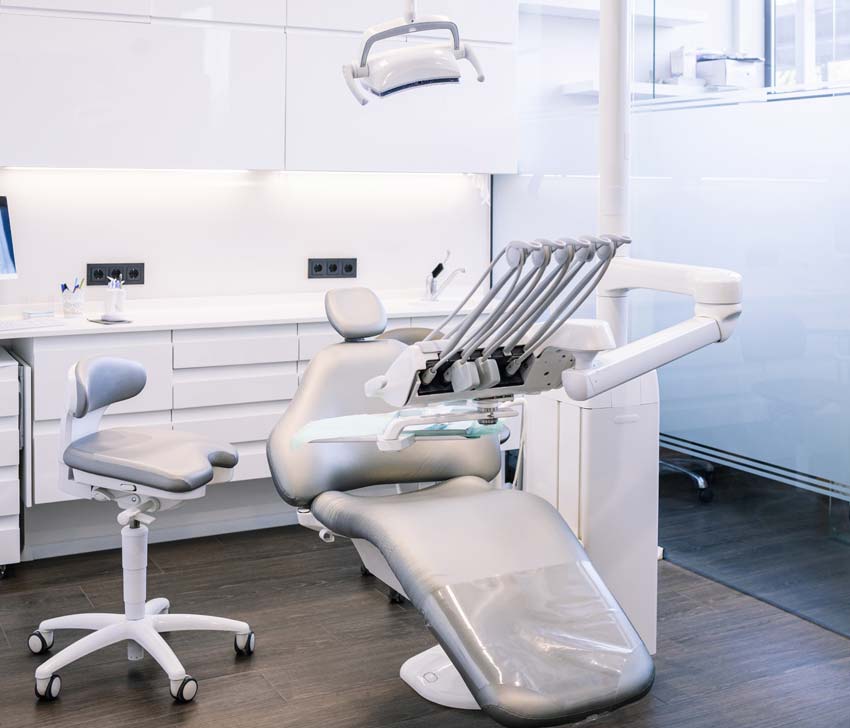
A trip to the dentist today looks very different from what it did a generation ago. Incredible technological advancements have transformed the sounds, tools, and even the time spent in the chair. These changes are making routine dental care faster, more comfortable, and more effective for patients. From diagnostics to restorations, modern tech is reshaping our experience and improving our smiles in ways that were once hard to imagine.
Beyond the Drill: The Rise of Digital Diagnostics
One of the biggest changes in dentistry is how we find problems. Gone are the days of biting down on uncomfortable cardboard films and waiting for X-rays to develop. Today, most dental offices use digital radiography, which provides instant images with far less radiation exposure than traditional X-rays. Your dentist gets a crystal-clear view of your teeth and jaw right away, making it easier to spot cavities, bone loss, or other issues early.
Many dentists also use intraoral cameras. These tiny, pen-sized cameras take high-resolution pictures inside your mouth. Instead of just telling you that you have a cracked tooth or a failing filling, your dentist can show you the problem on a screen right in front of you. This makes you an active partner in your own dental health, as you can see exactly what’s happening and better understand why treatment is needed. This type of digital dental imaging technology helps build trust and clarity between you and your dental team.
Smarter Materials for Stronger, More Natural Smiles
The materials used to fix teeth have also evolved dramatically. For decades, metal amalgam fillings were the standard for cavities. While effective, they were noticeable and required removing more of the natural tooth structure. Today, the focus is on conservative treatments using advanced composite resins. These tooth-colored materials bond directly to the tooth, providing a strong, durable, and nearly invisible repair.
The technology behind these materials is constantly improving. Some of the newest formulas have incredible adaptive properties. For example, innovations like OMNICHROMA universal dental composite use smart technology to match the color of surrounding teeth, creating a seamless and natural-looking repair. This means no more guesswork in color matching, and your filling or bonding blends in flawlessly, whether it’s on a front tooth or a back molar. This not only improves the final look but also streamlines the entire process for both the dentist and the patient.
3D Printing and Same-Day Restorations
Waiting weeks for a permanent crown used to be standard in dental work. The process involved messy impressions, a fragile temporary crown, and at least two separate appointments. Thanks to CAD/CAM (Computer-Aided Design/Computer-Aided Manufacturing) technology, that lengthy process is becoming a thing of the past. Using an intraoral scanner, your dentist can create a precise 3D digital model of your tooth.
The dentist then sends this digital model to an in-office milling machine, which carves your custom crown, veneer, or bridge from a solid block of high-quality ceramic in under an hour. This means you can leave the office with a permanent, perfectly fitted restoration in a single visit. This approach to CAD/CAM dentistry not only saves you time but also results in a more accurate and comfortable fit, eliminating the need for temporary solutions.

A More Comfortable and Less Anxious Experience
These dental technology updates make the patient experience less stressful. The dreaded sound of the dental drill is a major source of anxiety for many. Thankfully, modern electric handpieces are significantly quieter and produce less vibration than their older air-driven counterparts.
Furthermore, laser dentistry is being used for a growing number of procedures. Lasers can treat gum disease, remove decay, and perform biopsies with minimal bleeding and discomfort. In many cases, laser procedures are so gentle that they don’t even require anesthesia. Combined with amenities like noise-canceling headphones and overhead TVs, these technological touches help create a calmer, more relaxed environment. This reduces dental fear and encourages people to get the care they need.
So the next time you schedule a check-up, don’t hesitate to ask your dentist about the technologies they use. You might be pleasantly surprised by how much your visit has improved.