
What You Need to Know About Running a Safe Food Space

A safe, good space, whether a professional kitchen or at home, can make a massive difference to your cooking and health. But how can you make your kitchen that little bit better for everyone? From reducing cross-contamination to a secure space, here are some handy suggestions.
Environmental Hygiene
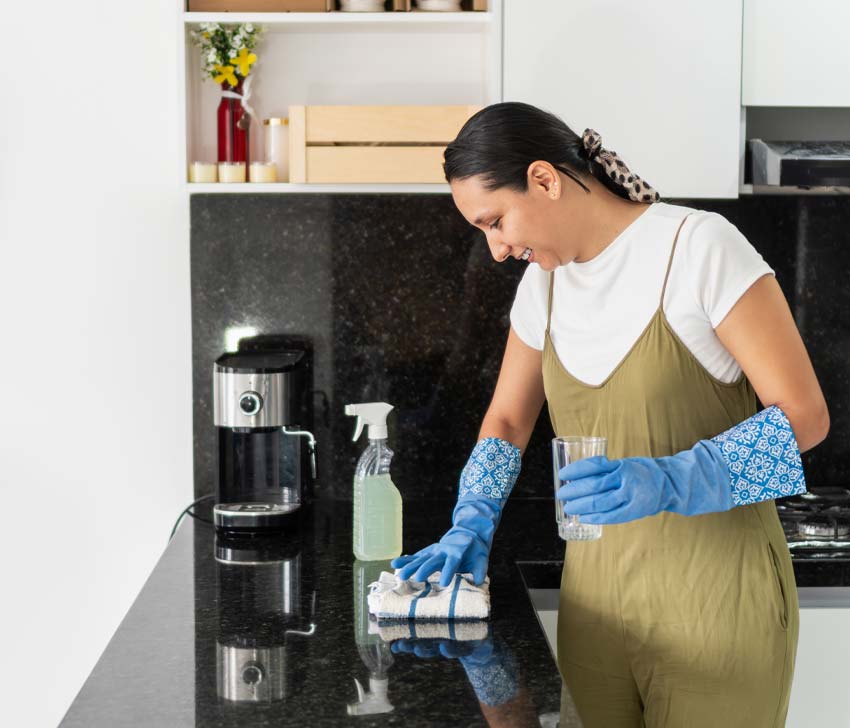
Above all, a safe space for storing, preparing, and cooking food is clean and hygienic. From bottom-level grease traps to extractor fans, everything needs to be cleaned on a regular, if not daily basis. This includes kitchen exhaust hood cleaning so airborne contaminants can be removed properly. There must also be strict handwashing rules, especially when handling raw or uncooked food. Of course, all surfaces and utilities must be wiped down and washed properly.
A Safe Food Space Has No Cross Contamination
Cross-contamination is one of the worst things that can happen when handling food because it can cause severe illness or death. So follow these three top rules to avoid cross-contamination:
- Wash your hands before and after handling food, especially meat and eggs.
- Keep raw and ready-to-eat food separately on surfaces, fridges, and freezers.
- Ensure any perishable foods are refrigerated within one hour of receiving them.
Cook and Chill Times
Most home cooks aren’t aware of the dangers of cook and chill times. However, anyone working in a professional kitchen will (and should) be aware of these. You can’t just keep hot or cold food lying around for as long as you would like. There are dangers that come with this, such as bacterial multiplication, which happens between 40°F and 140°F. So, any hot food left out should be kept above the range, and cold food left out should be kept below the range to be safe.
Internal Temp for a Safe Food Space
In the US alone, there are over 48 million cases of food poisoning each year. Everyone goes on about how to promote healthier eating, but you never hear about safer eating. So, here are some ways you can ensure the temperature of the food you cook is safe for eating to avoid any issues:
- Use a temperature probe to check the internal temperature of the food you cook.
- Avoid the bone and fat and only check the meat, as these are hotter than the flesh.
- Check thin foods like hamburgers sideways and probe all the way into the center.
Ensuring the food you cook is safe for eating is vital to avoid illness. Many people get sick each year from uncooked food, but it is easily avoidable. Checking the temperature with a probe is the easiest and most accurate way to check the internal heat of a piece of meat or a heated dish.
Safe Storage and Inventory
There are a few ways you can increase quality and safety in a kitchen. One of these is safer storage and inventory management. This ensures spoilage is kept to a minimum and reduces the chance of a bacterial issue. But what is the best method? Most kitchens refer to the FIFO (First In, First Out) method of storage. This means the order of removal from the fridge or freezer is the first item that was placed, then the second, the third, and so on forever.

A Safe Food Space is Secure
Safety in the kitchen relies on more than just cooking food to the right temperature and washing your hands. There are other issues that need to be considered, such as the following:
- The kitchen space needs to be in good condition with sound walls and a safe ceiling.
- It helps to have robust pest control, such as insect-proof screens and rat traps.
- There also needs to be adequate facilities for storing waste in a proper way.
Food Safety Management Systems
This may not apply to a home kitchen, but it can help. However, any professional kitchen must adhere to a food safety management system such as HACCP (Hazard Analysis and Critical Control Points). HACCP works in seven steps. This includes analyzing hazards, identifying control points, establishing limits, checking those limits, actions that can be taken, checking the system is working, and keeping records of everything to refer back to when there is an issue.
Summary
Keeping a clean working space is the first step to a safe food space. But it isn’t the only tool you have. In a home or expert kitchen, you can also ensure you check the internal temperature of food with a probe and use a food safety system such as HACCP to ensure a safer kitchen.