
Why Extracurriculars Are So Important

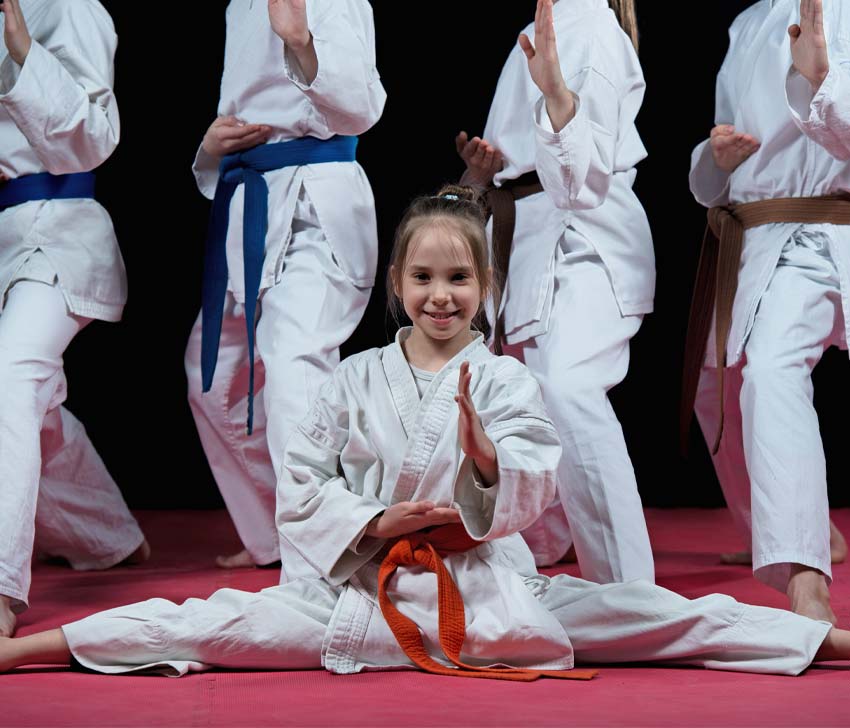
Extracurricular activities are like the sprinkles on a cupcake. They’re not totally required for survival, but wow, do they make the whole thing better. Whether it’s soccer, art, club music lessons, or preschool gymnastics, these activities give your kids something magical. They get the chance to grow in ways that school alone cannot always cover. If education is a foundation, then extracurriculars are the Super fun bonus rooms full of confidence, curiosity and creativity.
Let’s take a look at why after school or before school activities matter so much, and why kids benefit from them more than they realize.
They help kids to discover what they love.
One of the coolest things about extracurriculars is that they let kids explore without pressure. School is often about what they must learn, and extracurriculars are about what they want to try. A child might start drawing in a doodle club and realise they love graphic design. Another might join a music group thinking they’ll play drums only to fall in love with singing. Some kids love preschool gymnastics because they really like to burn off all of their energy. These activities open doors to interests, passions, and talents that might otherwise stay hidden. Extracurriculars turn ‘hmm that looks interesting’ into ‘Wow, I love this’.
They build social skills the fun way.
Schoolteachers social basics, but extracurriculars give kids a whole new playground in which to develop how to communicate, cooperate, and compromise. They also get a chance to develop and grow friendships and engage with children they may not have engaged with before. Kids learn how to share responsibilities, work together towards a goal, support others, handle winning and losing, and solve disagreements. These are not small things. They are skills that help kids to become thoughtful, well-rounded humans who know how to get along with others.
They boost confidence and self esteem.
There’s something incredibly empowering about mastering a skill outside of academics. Whether a child finally nails a cartwheel, finishes a painting, runs their fastest time, or performs on stage, every moment builds confidence. Extracurriculars give kids the chance to take risks in a safe environment and see what they’re capable of. They learn what ability grows with practice, which is a huge mindset win. The shy child who barely speaks in class might stand tall while performing in a drama club. The hesitant kid in sports might turn into a team motivator. Extracurriculars can be transformative for children.
They encourage healthy habits.
Many activities naturally promote physical, emotional or mental wellness. Sports and movement based clubs offer exercise that feels more like play than obligation. Creative clubs help kids to express emotions and process their thoughts, and even strategy games or robotics spark problem solving and mental focus. These habits aren’t just fun, they’re there to support healthier lifestyles now and in the future. Plus, when kids enjoy an activity, they’re more likely to stick with it, which gives them long term routines that keep them active and happy.
They teach responsibility and time management.
Even little kids start to learn responsibility through extracurricular activities. They have to show up on time, remember their uniform, listen to coaches or teachers, and sometimes practice at home. As children get older, balancing homework and activities becomes a mini life lesson in time management. They learn to organise their days, prioritise tasks and plan ahead. Sure, they may forget their water bottle once or twice, but by the third time, they’ve figured it out. Small responsibilities add up to big growth.
They reduce stress by offering fun outlets.
Kids today face more pressure than we often realise testing expectations, routines, it can be a lot. Extracurriculars give kids something joyful and stress relieving. When a child is painting, running, dancing, playing or building, they get a break from the structured environment of school. It’s a chance for them to recharge while also getting out some of the tension and energy they’ve got built up. These outlets can improve their mood, boost motivation, and even enhance focus once they return to schoolwork.
They improve academic performance.

It sounds counterintuitive because how does adding more help kids in school? But study after study shows that it does because extracurriculars help to boost discipline, motivation, focus and creativity. Kids who join in with activities often have higher grades, better attendance, and more positive attitudes about learning. Why? Because extracurriculars help kids to feel capable, engaged, and connected. These positive feelings spill over into the classroom.
They connect kids to community.
Extracurricular programs often bring kids together from different grades, backgrounds and neighborhoods. This builds a sense of belonging and community beyond just their classroom. Whether they’re part of a club, a team or a performance group, kids learn that they’re part of something bigger than themselves, and they get role models, mentors and a supportive network around them. Feeling connected boosts confidence and gives kids the courage to try new things.
They create memories and moments that kids never forget.
Ask almost any adult what they remember most from childhood and they’ll probably mention something they did outside the classroom. Winning a ribbon, building a robot, their first big game, and the time that they performed in a play are all things that create moments that shape kids into who they become. They teach resilience, teamwork, joy, and creativity, and these are the moments that stick with kids long after they graduate.
They prepare kids for the future.
College applications often ask about extracurriculars, but the benefits run much deeper than resume boosters. These activities prepare kids for real life by teaching collaboration, leadership, creativity, adaptability, and passion. And no matter what career or path they eventually choose, these skills give them the strong foundation to build with. Kids who try different activities also learn to step outside their comfort zones, which is something that will help them again and again through life.