
Why Learning an Instrument as an Adult Can Be the Most Rewarding Experience

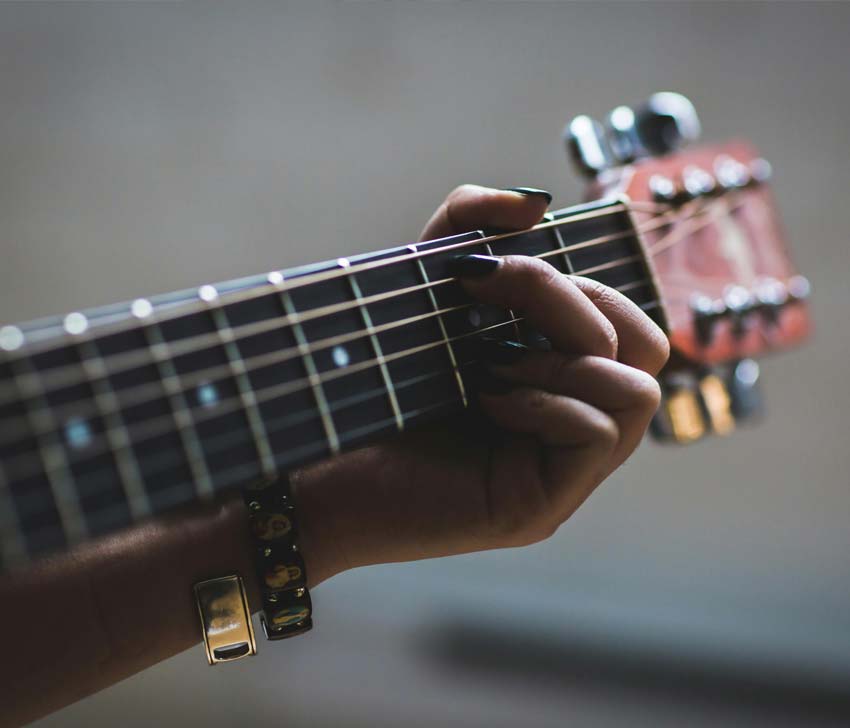
You already know what it means to stick with something. You have lived through false starts, second tries, and the quiet satisfaction of improvement that comes with time. That is why learning an instrument as an adult hits differently. Not easier. Not faster. Just deeper. You are not chasing gold stars or praise. You are building something that belongs to you.
You Bring Patience and Perspective that Kids do not Have
As an adult, you understand delayed gratification. You know that progress is rarely loud. When you sit down to practice, you are not measuring yourself against a sibling or a classmate. You are measuring against yesterday.
That perspective changes everything. Mistakes no longer feel like failure. They feel like information. You listen more carefully. You notice patterns. You can step back and say, this part is weak, but it is fixable. That mindset alone removes a huge barrier that stops many people from ever starting.
You also know why you are there. No one signed you up. You chose this. That choice gives the work weight and meaning.
How Structure and Support Make Practice Finally Stick
Talent does not make practice consistent. Structure does. When your learning has shape, practice stops being a vague intention and becomes something you can actually return to week after week.
This is where guided learning matters. With piano lessons, for example, you are not guessing what to work on or wondering if you are building bad habits. You get clear direction, feedback that makes sense, and goals that stretch you without overwhelming you. That support turns effort into momentum.
Instead of bouncing between frustration and avoidance, you build a rhythm. Not perfect. Just steady. And steady progress is what keeps adults coming back.
Progress Looks Quieter than You Expect
One day, you realize you did not stop halfway through a piece. Another day, you notice your hands are less tense. These moments are easy to miss because they do not announce themselves. But they matter.
Adult progress tends to be subtle. You improve in layers. Timing first. Then tone. Then confidence. It is not dramatic, but it is durable. Skills earned slowly tend to stay with you.

You Learn How You Learn
This might be the most underrated part. As an adult, you start noticing how your brain responds. Do you need repetition or variation? Short sessions or longer ones? Written notes or audio reminders?
Learning an instrument becomes a masterclass in self-awareness. You are not just learning music. You are learning how to guide your own focus. That skill carries into everything else you do.
What Happens When You Stop Rushing Yourself
When you release the pressure to be good quickly, something shifts. You listen more. You play more honestly. You stop comparing your chapter one to someone else’s chapter ten.
The reward is not just the music. It is the relationship you build with the process. You prove to yourself that growth does not expire with age. It just changes shape.
By the time you reach the end of a piece, you realize the real win was never the finish line. It was showing up, staying curious, and letting yourself be a beginner again.